

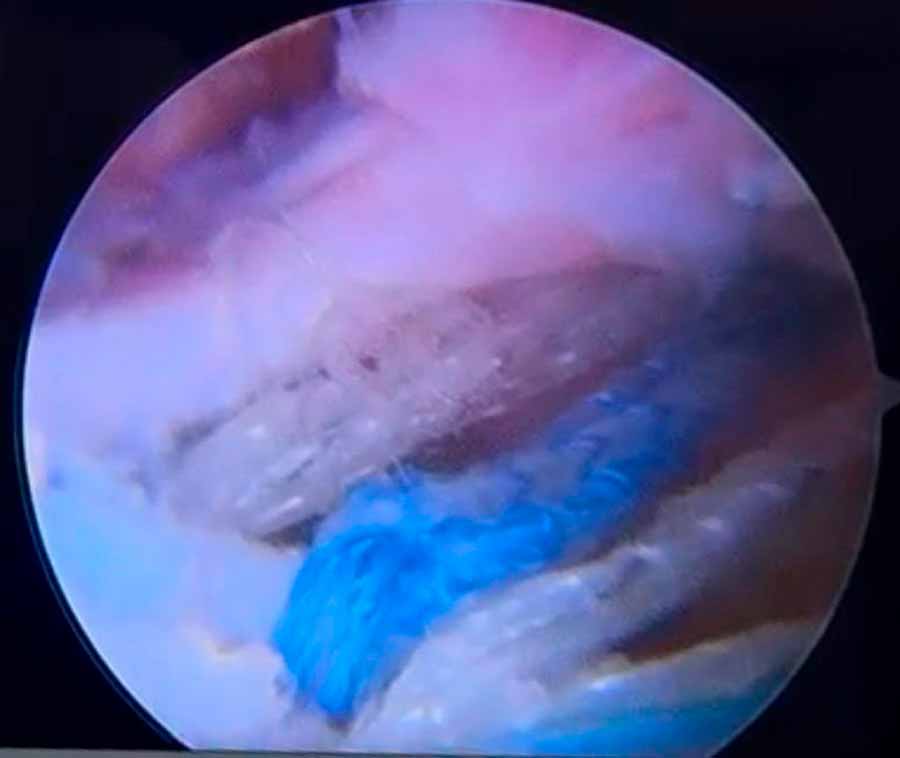
Rotator cuff tears can present with varying degrees of severity and complexity. One of the criteria used to assess these injuries is the Patte classification, which establishes different grades based on the characteristics of the tear and tendon retraction.
Whenever possible, the ideal approach is to diagnose and treat these injuries in their early stages, before they progress to more advanced stages. However, the pain associated with a rotator cuff injury doesn’t always follow a steady course. It can come and go, improve temporarily, and then return, which leads some patients to delay seeking consultation.
As a result, we sometimes encounter Patte 3 tears, advanced injuries that pose a significant surgical challenge.
Is it possible to repair a Patte 3 rotator cuff tear?
One of the factors that must be assessed in these patients is the condition of the muscle. Significant muscle atrophy can affect the muscle’s functional capacity after repair, even when the suture has been technically performed correctly.
That said, our clinical experience is yielding particularly interesting results. In our case series, using electromyographic studies, we have observed significant improvement in the supraspinatus muscle in patients with Patte 3 tears, even in the presence of varying degrees of muscle atrophy.
These results highlight the importance of an individualized assessment of each injury and carefully studying repair options before determining a treatment strategy.
A highly complex surgery requiring a reinforced repair
Patte 3 injuries present a high degree of technical difficulty. Achieving an adequate repair may require extensive debridement to release and mobilize the supraspinatus, working from both the intra-articular region and the bursal space.
The case presented here is an example of this type of approach.
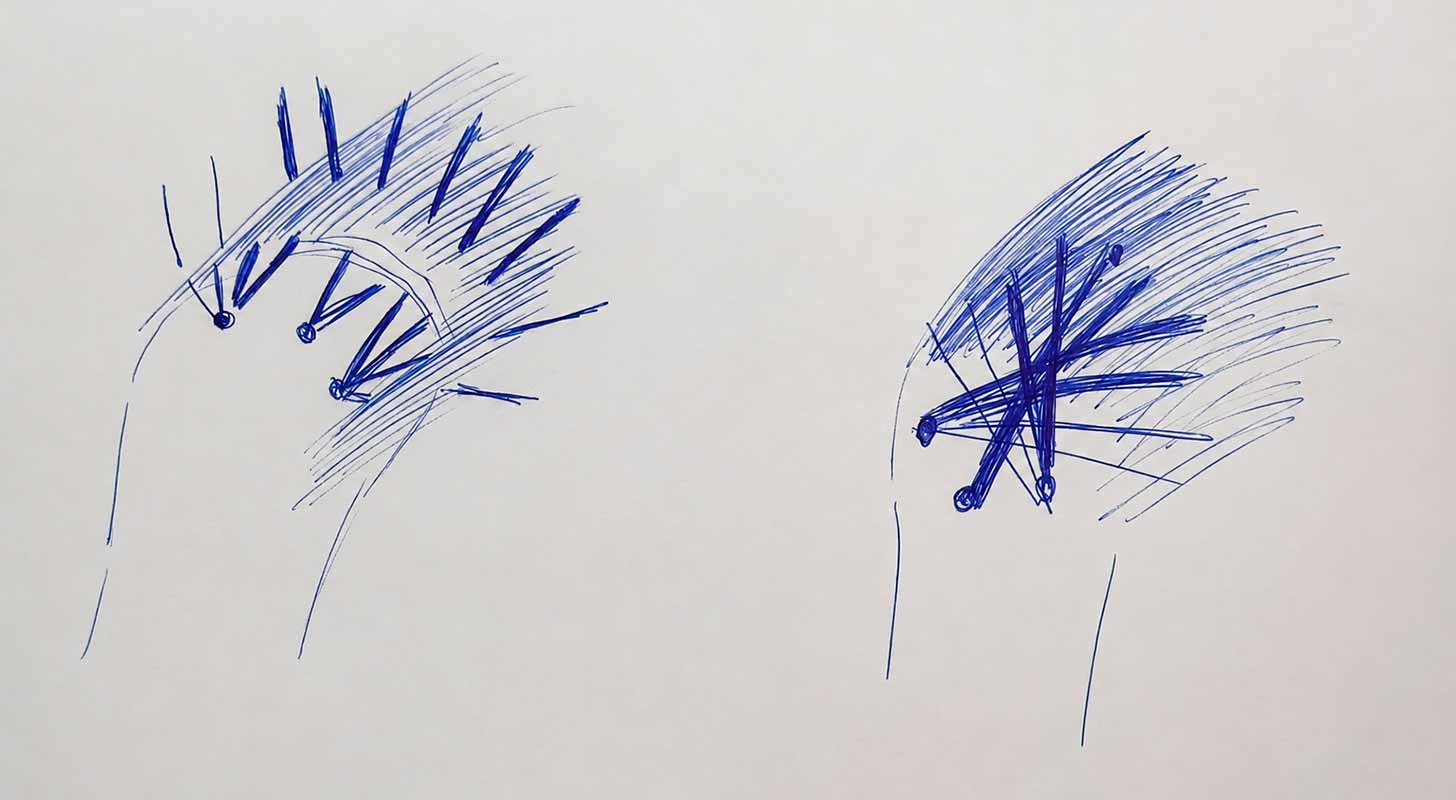
For a Patte 3 tear, a reinforced repair was performed using six implants: three medial anchors and three lateral anchors. The arrangement of the different bridges between the anchors made it possible to achieve adequate coverage of the tendon’s footprint.
The purpose of this type of configuration is to achieve a solid repair and optimal coverage, which is especially important in injuries of this nature.
Progressive recovery and personalized follow-up
The complexity of the injury also affects the post-surgical process. In patients with a Patte 3 tear, recovery must be approached more gradually and over a longer period, respecting the time needed for the repair to heal.
For this reason, both the surgery and the follow-up and rehabilitation must be tailored to each patient’s specific characteristics.
Despite dealing with severe, technically demanding injuries, our experience shows that Patte 3 rotator cuff tears can achieve highly satisfactory clinical and functional outcomes in a high percentage of patients when there is an appropriate indication, precise planning, and a surgical technique adapted to the complexity of the injury.