Shoulder and elbow injuries have evolved significantly in recent years, not only in terms of complexity, but also in the way they are approached. The combination of surgery, physiotherapy, osteopathy, and functional rehabilitation has become a key factor in improving recovery and clinical outcomes.
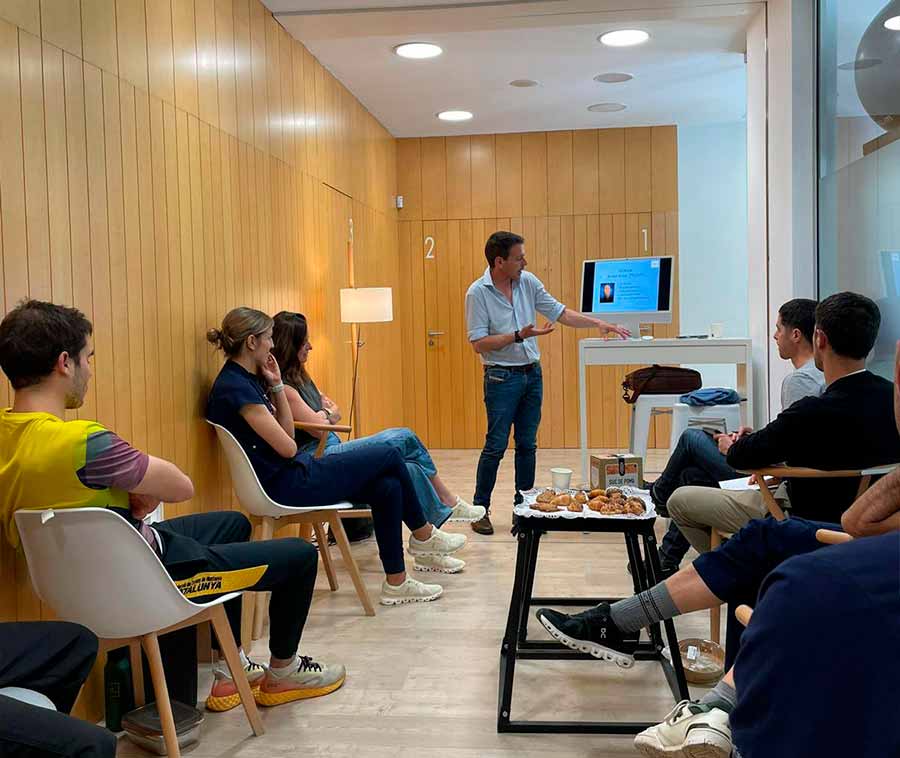
With the aim of encouraging knowledge sharing among specialized professionals, HYC BCN recently organized a meeting at Laia Casals focused on analyzing the most common shoulder and elbow conditions, current treatment approaches, and the importance of collaboration between traumatologists and physiotherapists.
A meeting to share knowledge and improve treatments
During the session, different therapeutic approaches applied to current shoulder and elbow pathologies were discussed, including both common injuries and more complex cases.
The meeting provided an opportunity to share real clinical experiences and reflect on key aspects such as:
- The evolution of surgical and conservative treatments
- The importance of individualized rehabilitation
- Coordination between traumatologists and physiotherapists
- Functional recovery after complex injuries
- New therapeutic and technological options
It is becoming increasingly clear that the best outcomes are achieved when there is close communication between all professionals involved in patient care.
The importance of synergy between traumatology and physiotherapy
One of the main topics of the meeting was the need to strengthen collaboration between Traumatology and Physiotherapy in order to optimize functional recovery.
Working together allows professionals to better adapt each stage of treatment, improve clinical decision-making, and offer patients a safer and more efficient recovery process.
In this context, the participation of Laia Casals was especially relevant. The center is made up of highly qualified healthcare professionals who are continuously updating their knowledge and working with an integrative, evidence-based approach tailored to each individual.
In addition, their treatments are supported by the latest technologies applied to functional rehabilitation, while also providing fully personalized care and paying close attention to both the clinical and therapeutic environment of the patient.
The importance of continuing to share knowledge
Meetings like this allow professionals to update their knowledge, share real clinical experiences, and strengthen the relationship between disciplines that work every day toward the same goal: improving patients’ quality of life.
Super-specialization, interdisciplinary coordination, and personalized treatment will continue to shape the future of shoulder and elbow pathology management.